Key Takeaways
- 1Wearable sensors and computer vision have exponentially increased available data
- 2Multi-agent analytical systems provide validated performance insights
- 3Tactical analysis reveals patterns invisible to traditional coaching
- 4Integration of physiological and performance data optimizes training
The Data Revolution in Sports
The intersection of data science and athletic performance represents one of the most rapidly evolving domains in sports technology. From wearable sensors to computer vision systems, the volume of data available to coaches and athletes has grown exponentially over the past decade. Yet data alone provides no value; the transformation of raw measurements into actionable insights requires sophisticated analytical methodologies and domain expertise.
At Optima Performance Science, we have developed comprehensive data science frameworks specifically designed for athletic performance applications. Our methodologies address the unique challenges of sports data: high variability, contextual dependencies, and the need for real-time actionable outputs.
Data Collection Infrastructure
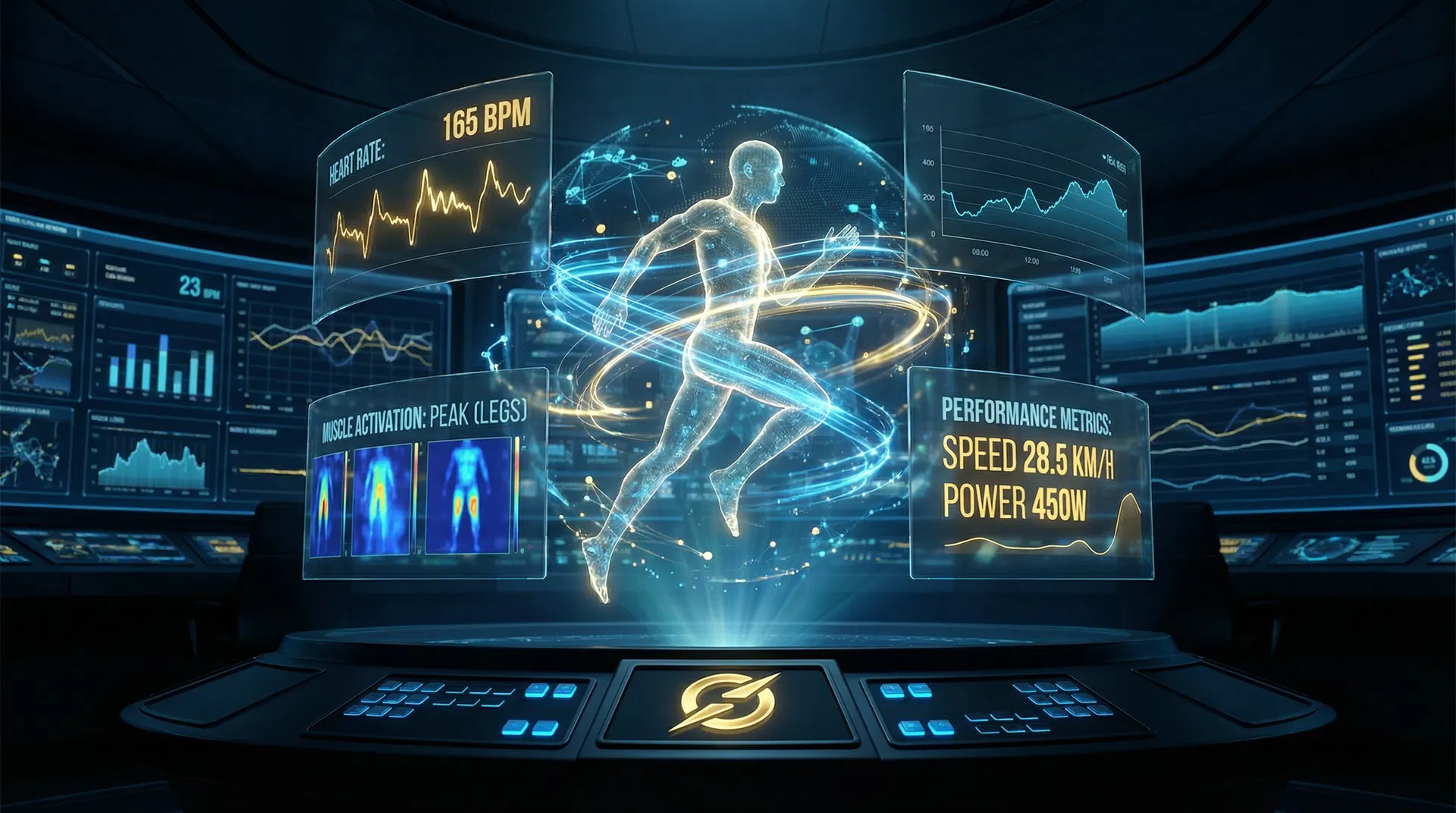
Effective performance analytics begins with robust data collection infrastructure. Modern athletic programs generate data from numerous sources: GPS tracking systems, inertial measurement units, force plates, heart rate monitors, and video analysis systems. Each data stream provides unique insights, but the true power emerges when these streams are integrated into unified analytical frameworks.
Our data integration platform standardizes inputs from diverse sources, handling the technical challenges of different sampling rates, coordinate systems, and data formats. This standardization enables cross-modal analysis that reveals relationships invisible when examining individual data streams in isolation.
Analytical Methodologies
Descriptive Analytics
The foundation of performance analysis lies in accurate description of what has occurred. Our descriptive analytics systems process raw data into meaningful metrics: distances covered, velocities achieved, accelerations sustained, and workloads accumulated. These metrics establish baselines against which future performance can be evaluated.
Diagnostic Analytics
Beyond description, diagnostic analytics seeks to understand why performance variations occur. When an athlete's output decreases, diagnostic systems examine potential contributing factors: training load accumulation, sleep quality, nutritional status, and psychological stress. This multi-factorial analysis enables targeted interventions addressing root causes rather than symptoms.
Predictive Analytics
Predictive models forecast future performance based on current status and planned interventions. These models inform training periodization, competition preparation, and recovery protocols. By anticipating performance trajectories, coaches can optimize training timing and intensity to achieve peak performance when it matters most.
Prescriptive Analytics
The most advanced analytical tier generates specific recommendations for action. Prescriptive systems analyze current status, desired outcomes, and available interventions to recommend optimal paths forward. These recommendations undergo validation through our multi-agent consensus framework before reaching coaching staff.
Tactical Analysis Applications
Beyond individual performance, data science methodologies extend to tactical analysis of team sports. Computer vision systems track player positions and movements throughout competitions, generating spatial and temporal data that reveals tactical patterns.
Our tactical analysis services identify opponent tendencies, evaluate formation effectiveness, and optimize set-piece strategies. These insights complement traditional video analysis with quantitative rigor, enabling evidence-based tactical decisions.
Implementation Considerations
Successful implementation of data science methodologies requires more than technical capability. Organizational factors including staff buy-in, workflow integration, and communication protocols significantly impact effectiveness. Our implementation services address these factors, ensuring that analytical insights translate into on-field improvements.
Conclusion
Data science has become an essential component of competitive athletic programs. The organizations that most effectively harness analytical capabilities gain significant advantages in athlete development, injury prevention, and competitive performance. As methodologies continue to advance, the gap between analytically sophisticated programs and those relying on traditional approaches will only widen.
"Data alone provides no value; the transformation of raw measurements into actionable insights requires sophisticated analytical methodologies and domain expertise."