Key Takeaways
- 1Motion capture and force plate technology enable precise movement analysis
- 2Individualized optimization accounts for athlete-specific characteristics
- 3Real-time feedback accelerates technique refinement
- 4Integration with training programs ensures practical application
The Science of Movement Analysis
Biomechanical analysis has evolved from a specialized research tool to an essential component of elite athletic training programs. The ability to quantify movement patterns, identify inefficiencies, and prescribe targeted interventions represents a fundamental shift in how coaches approach performance optimization. No longer must technique refinement rely solely on subjective observation; objective measurement now guides the process.
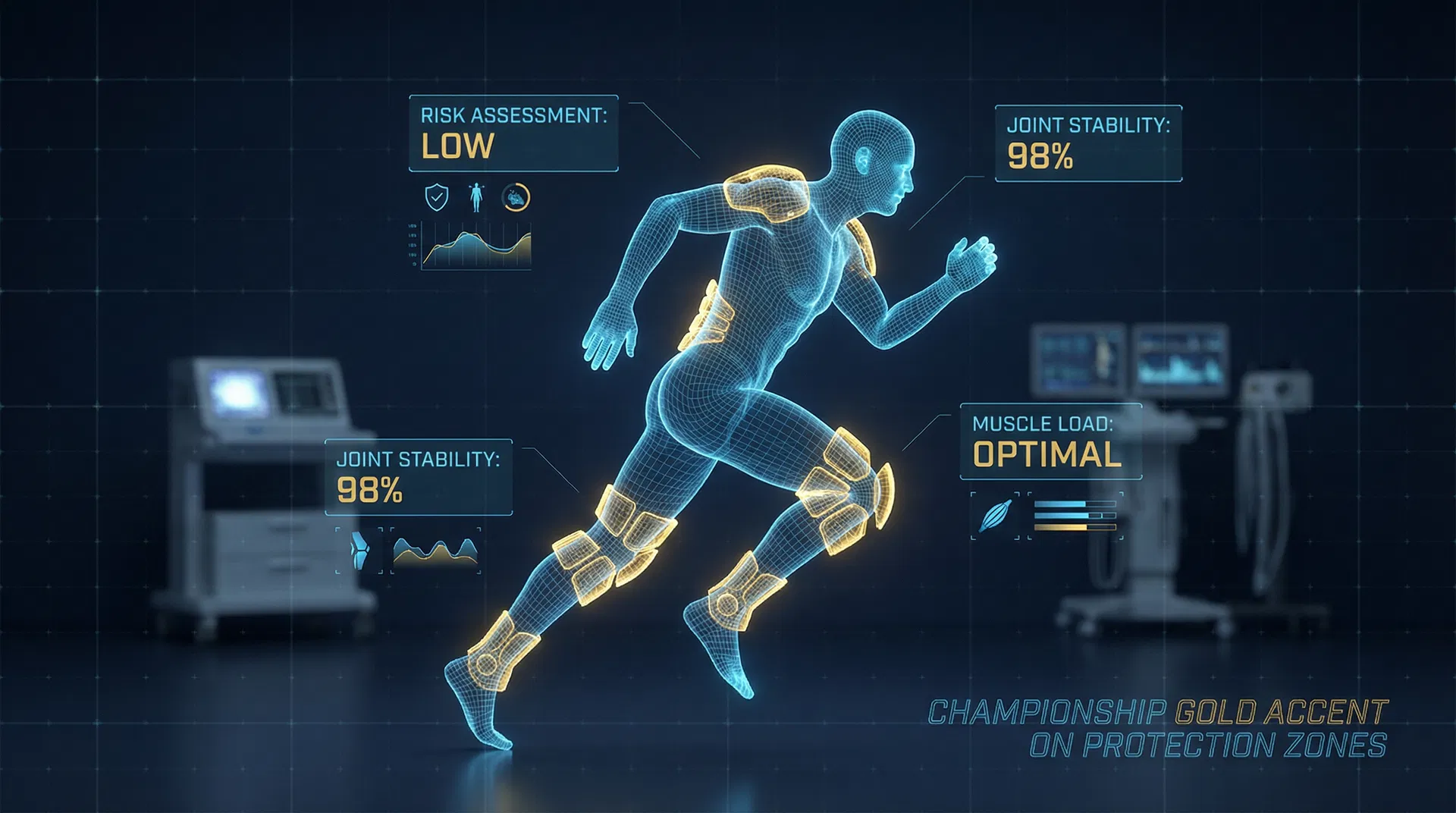
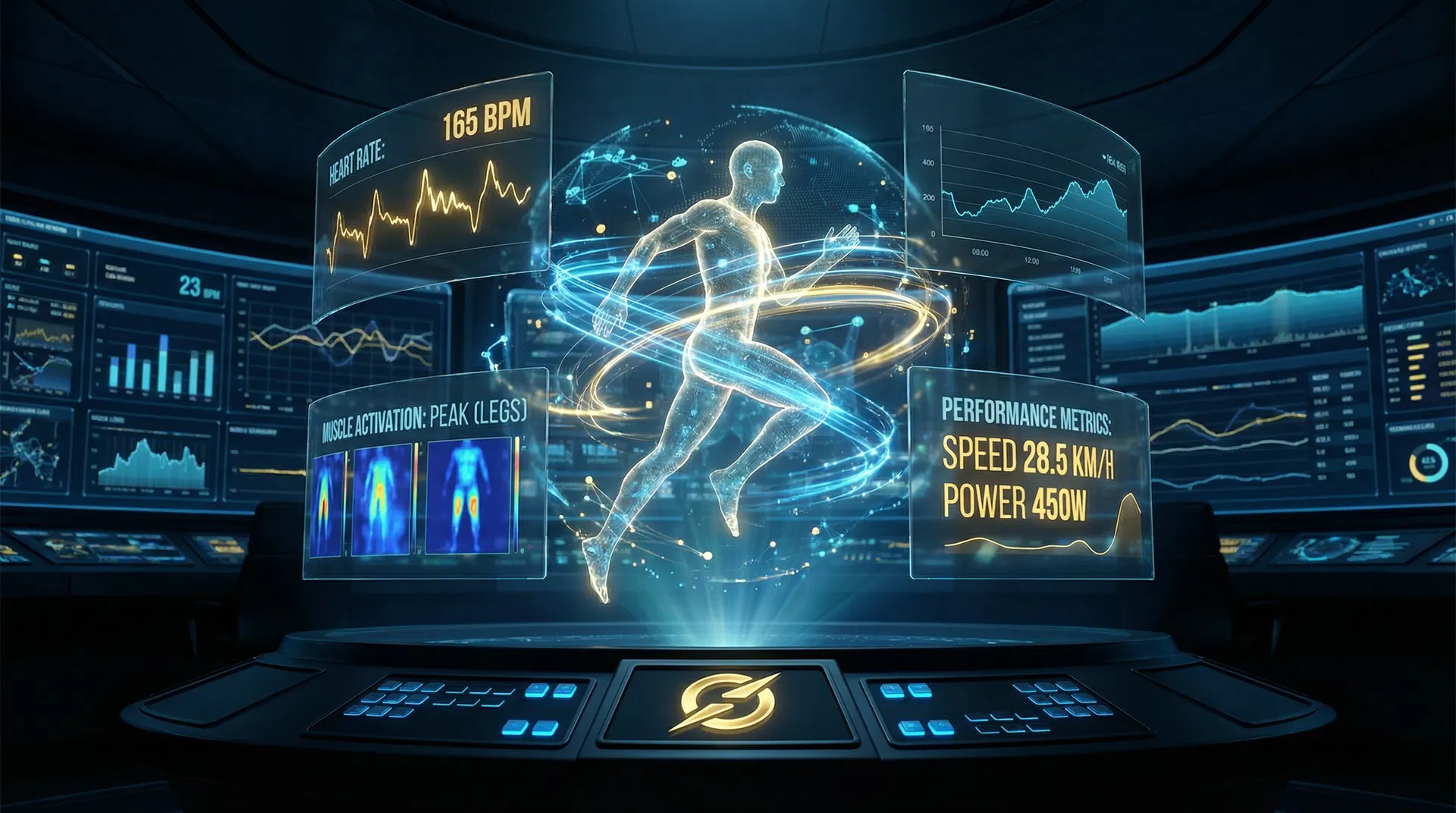
At Optima Performance Science, our biomechanical analysis services leverage cutting-edge technology including marker-based motion capture, markerless computer vision systems, force plates, and pressure mapping. These tools generate comprehensive datasets describing how athletes move through space and interact with their environment.
Technology Infrastructure
Motion Capture Systems
Modern motion capture systems track body segment positions with millimeter precision at hundreds of frames per second. This temporal and spatial resolution enables analysis of rapid movements that occur too quickly for human observation. Our systems capture joint angles, segment velocities, and coordination patterns throughout complex athletic movements.
Force Measurement
Force plates and pressure mapping systems quantify the forces athletes generate and absorb during movement. Ground reaction forces, center of pressure trajectories, and loading rates provide insights into movement efficiency and injury risk. These measurements complement kinematic data to create complete pictures of athletic performance.
Analysis Methodologies
Raw biomechanical data requires sophisticated analysis to yield actionable insights. Our analytical frameworks compare athlete movements against sport-specific models, identifying deviations that may limit performance or increase injury risk. These comparisons account for individual anthropometric characteristics, ensuring recommendations are appropriate for each athlete's unique physical profile.
Practical Applications
The value of biomechanical analysis depends entirely on its integration with training interventions. Analysis that identifies movement inefficiencies provides no benefit unless accompanied by effective corrective strategies. Our services include intervention design and progress monitoring, ensuring that analytical insights translate into measurable performance improvements.
Conclusion
Biomechanical analysis has become an indispensable tool for athletic performance optimization. By providing objective measurement of movement patterns, these technologies enable targeted interventions that address specific performance limiters. As analysis technologies continue to advance and become more accessible, their integration into training programs at all competitive levels will only accelerate.
"The ability to quantify movement patterns, identify inefficiencies, and prescribe targeted interventions represents a fundamental shift in how coaches approach performance optimization."